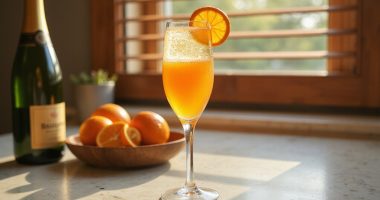
The classic one-to-one mimosa ratio is fine for amateurs mixing single glasses. Real hosts know better. Two parts sparkling wine to one part orange juice hits that sweet spot between efficiency and not embarrassing yourself. One bottle yields six proper mimosas this way. The juice goes in the pitcher first. The bubbly? Right before serving, unless flat champagne is the goal. Nobody wants warm, lifeless mimosas at 11 AM. There’s more to this pitcher game than just dumping and hoping.

Three things can ruin a brunch faster than bad eggs: warm mimosas, flat champagne, and that one friend who insists on mixing drinks one glass at a time while everyone waits. The solution exists, people. It’s called a pitcher. Innovative concept, apparently.
The classic mimosa ratio hasn’t changed since someone first decided orange juice needed alcohol. Equal parts sparkling wine and OJ. That’s it. One-to-one. Math so simple even the most hungover brunch guest can handle it. Some prefer a boozier two-to-one ratio, heavy on the bubbles. Fine. Live your truth.
Equal parts sparkling wine and OJ. Math so simple even the most hungover brunch guest can handle it.
One bottle of sparkling wine makes six mimosas when mixed properly. Six. Not four generous pours that leave two people dry. Not eight watered-down insults to champagne. Six balanced drinks from one bottle plus the appropriate amount of orange juice. Scale accordingly. Actually, proper measurements yield approximately 8 mimosas per bottle when following the classic ratio.
Here’s where pitcher preparation saves everyone’s sanity. Fresh-squeezed orange juice goes in first. Then champagne or Prosecco—right before serving. Not twenty minutes before guests arrive. Not while the eggs get cold. Right. Before. Serving. Those bubbles disappear faster than weekend plans on a Monday morning.
A quarter cup of orange liqueur per bottle adds complexity without turning breakfast into a frat party. Grand Marnier, Cointreau, whatever’s clever. Triple sec works just as well for those keeping it simple. Fresh citrus garnishes look nice but nobody’s eating them. Be honest.
The refrigerator becomes essential here. Room temperature pitcher mimosas turn flat and sad within minutes. Keep everything chilled. Juice components can wait patiently in the fridge overnight. The sparkling wine joins the party when guests do. Basic physics, not rocket science.
Seasonal variations happen. Cranberry juice for holidays, mango for summer—the ratios stay the same. The math doesn’t change because someone decided tropical fruit sounds festive. One-to-one or two-to-one. Pick a lane.
Time saved by pitcher mixing means hosts actually participate in their own brunch instead of playing bartender. Guests serve themselves. Conversations continue uninterrupted. The eggs stay warm.
Pre-packaged mimosas remain the only faster option, but that’s giving up entirely. Pitcher service strikes the balance between efficiency and not completely phoning it in. Sometimes that’s enough.
Frequently Asked Questions
How Long Do Pre-Made Mimosa Pitchers Stay Fresh in the Refrigerator?
Pre-made mimosa pitchers? They’re dead within 48 hours.
That’s it. One to two days max in the fridge before they turn into flat, sad orange juice with delusions of grandeur.
The bubbles vanish faster than weekend plans. Smart hosts keep the juice and champagne separate until showtime.
Mix them together early and watch that sparkle disappear like enthusiasm at a Monday morning meeting.
Physics doesn’t care about convenience.
Can I Use Frozen Orange Juice Concentrate for Large-Batch Mimosas?
Yes, frozen concentrate works brilliantly for big-batch mimosas.
Smart hosts discovered this hack years ago. The concentrate delivers concentrated orange flavor without watering down the bubbles. Just plop a teaspoon per glass — boom, done.
Or go wild: blend half a can with ice for frozen versions. The stuff won’t dilute the wine like fresh juice does. Plus it’s always in the freezer, waiting.
What Garnishes Work Best for Serving Mimosas to Crowds?
Orange wedges sit on every rim at brunch spots. Basic. Strawberries and blueberries get tossed in because servers think they’re fancy. They’re not.
Pre-garnished glasses save time but look sad after five minutes. Those garnish stations? Pure chaos. Twenty drunk people fumbling with fruit skewers.
Frozen berries work better—they keep drinks cold without the ice cube dilution drama. Sugar rims are sticky disasters waiting to happen.
Should I Use Plastic or Glass Pitchers for Outdoor Events?
Glass pitchers at outdoor events? That’s a disaster waiting to happen.
One tipsy guest, one broken pitcher, one ruined party. Sure, glass looks prettier. Makes those orange bubbles sparkle.
But plastic won’t shatter when Karen’s elbow knocks it off the table. It’s lighter, cheaper, and servers won’t need chiropractor appointments afterward.
Glass belongs indoors. Outside? Plastic wins. Every time. Unless someone enjoys sweeping up shards between the hydrangeas.
How Much Does Making Pitcher Mimosas Cost Compared to Individual Servings?
The math hits different when someone compares pitcher costs to individual pours. One bottle of decent Prosecco runs about $14. Split that between six glasses? That’s $2.33 per drink in sparkling wine alone.
But dump that same bottle into a pitcher with three cups of OJ? Now eight servings cost $1.75 each.
The economics get even stupider at restaurants—they’re charging $12 for twelve cents of bubbles.