French bartenders treat orange juice like liquid gold, measuring with the precision of a Swiss watchmaker counting seconds. Equal parts aren’t negotiable — it’s cocktail law. One ounce prevents the citrus from bulldozing gin botanicals or flattening champagne’s fizz. From Marseille to Montmartre, consistency rules. No guessing, no eyeballing. Just respect for ingredients and customers paying premium prices. This obsession with balance dates back to the early 20th century, and modern craft cocktails still follow the gospel.

When French bartenders reach for the orange juice, they don’t just splash it around like some spring break amateur. They measure. They calculate. They pour with the precision of a Swiss watchmaker who moonlights at a Parisian bistro.
The French have been doing this equal parts dance since the early twentieth century. Back when the French 75 was just learning to walk, bartenders discovered that balancing orange juice with other ingredients wasn’t just smart — it was essential. Half an ounce here, half an ounce there. No guessing games. No “about this much” nonsense that passes for mixology in lesser establishments.
French bartenders discovered precision isn’t pretentious — it’s essential. Half an ounce here, half an ounce there.
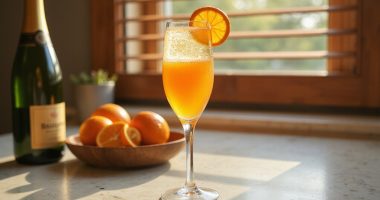
Take the Orange French 75. It gets exactly half an ounce of orange juice paired with half an ounce of simple syrup. Not a drop more. The Blood Orange French 75? Equal parts gin and blood orange juice, topped with champagne. See the pattern? It’s not rocket science, but apparently it’s groundbreaking enough that the rest of the cocktail world still hasn’t caught on.
This obsession with balance isn’t just French snobbery at work. Equal measurements mean the orange doesn’t bulldoze the botanicals in your gin. The champagne keeps its fizz instead of turning into expensive, flat citrus water. Every sip tastes like the last one. Groundbreaking concept, really.
Southern French bartenders switched to blood oranges for deeper flavors. Parisians mix their orange juice with herbs — in equal parts, naturally. The coastal joints add sea salt. The northern bars balance it with local spirits. Different ingredients, same mathematical dedication. The precise one-ounce measurement ensures each Blood Orange French 75 maintains its perfect balance.
Even the modern craft cocktail movement, with all its muddled this and infused that, hasn’t messed with the formula. Contemporary French bartenders still measure their orange juice like it’s liquid gold. Which, at Parisian prices, it might as well be. The best part? You can master this entire philosophy in about five minutes — the same time it takes to shake up a proper French 75.
The technical benefits are obvious enough. Faster service. Less waste. Easier training. Consistent drinks whether you’re in Marseille or Montmartre.
But really, it’s about respect. Respect for the ingredient, the cocktail, and the poor soul who’s paying twelve euros for it.
Frequently Asked Questions
What Specific Cocktails Benefit Most From Equal Parts Orange Juice?
The classic Mimosa leads the pack. Obviously. Equal parts champagne and orange juice creates that perfect brunch buzz without tasting like someone dumped Sunny D into decent bubbly.
Grand Mimosas follow suit, just with a tablespoon of Grand Marnier thrown in for people who need their morning cocktails fancier.
The Orange French 75 goes lighter on juice but still respects the balance.
Most others? They’re just pretending to be sophisticated orange juice.
How Does Equal Parts Orange Juice Affect Cocktail Pricing?
Equal parts cocktails price out beautifully for bars.
Less math, less waste, less training. Bartenders nail the pour every time. Owners love it—inventory tracking becomes child’s play.
French joints charge premium because “heritage recipe” sounds fancy. A classic equal-parts drink with quality OJ and Grand Marnier? That’s $18 easy. The simplicity sells the story.
Customers pay for consistency, not complexity. Smart bars batch them. Faster service, fatter margins.
Do Other European Bartenders Follow This Same Practice?
Nobody really knows. The research comes up empty on whether Italian, Spanish, or German bartenders are copying this supposed French orange juice trend.
No data. Nothing. European bartending practices remain a mystery box of regional quirks and personal preferences.
Some Barcelona bartender might be doing it. Or not. Without actual evidence, it’s all speculation and bar-stool theories about continental cocktail culture.
What Brands of Orange Juice Do French Bartenders Prefer?
French bartenders don’t broadcast their OJ preferences like some reality show.
The search results? Pretty quiet on actual brand names.
Sure, Washington Navels get the nod for quality—citrusy, balanced, not too sweet.
Minute Maid shows up in general bartending circles for its “fuller mouthfeel.” Whatever that means.
But specific French bars stocking specific brands? That intel’s harder to find than a cheap drink in Saint-Germain.
When Did This Equal Parts Tradition Begin in France?
Frank Meier kicked off the equal parts thing at the Ritz Bar in 1925.
That’s the story, anyway. Some say the drink existed earlier, but Meier’s the guy who made equal parts official.
Before him? Who knows. People were probably throwing champagne at orange juice since the 1910s.
But Meier put his stamp on it. Equal parts champagne, equal parts juice.
Democracy in a flute glass.