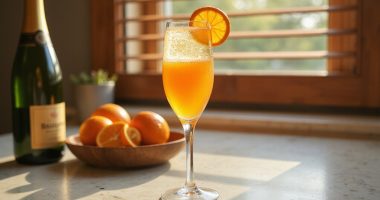
The best champagne-free mimosas rely on three basic swaps: sparkling grape juice for the sweet-toothed, non-alcoholic rosé for sophisticates, and ginger ale for those who like their brunch with bite. Light wheat beers create surprisingly decent “beermosas,” while plain sparkling water keeps the bubbles without the sugar crash. Cranberry juice makes festive “Poinsettias,” pineapple creates tropical “Soleils,” and grapefruit delivers bitter “Megmosas.” Each substitute brings its own personality to the flute.

Whether it’s a dry January resolution or just a general aversion to morning booze, plenty of people want the mimosa experience without the champagne buzz. The good news? The mocktail world has evolved beyond sad orange juice in a fancy glass.
Sparkling white grape juice remains the classic stand-in, though it’s sweeter than champagne — sometimes cloyingly so. The real surprise comes from non-alcoholic rosé products, which have somehow gotten legitimately good. Some contain zero added sugar. Progress, apparently.
Non-alcoholic rosé has gotten legitimately good, and some versions contain zero added sugar. Progress, apparently.
For those who want something with bite, ginger ale delivers a spicy kick that pairs surprisingly well with citrus. Plain sparkling water works for the sugar-averse, while 7-Up and Sprite cater to those who think mimosas aren’t sweet enough already. For best results, serve cold with pre-chilled ingredients to maximize refreshment, especially during warm weather brunches. Keep everything chilled and use Champagne flutes to maintain the bubbles just like traditional mimosas.
The juice game has expanded too. Cranberry juice transforms the drink into a “Poinsettia,” which sounds fancier than it is. Lemonade creates something called a “Lemosa” — yes, really — while grapefruit juice yields the “Megmosa,” bringing welcome bitterness to brunch tables everywhere. Pineapple juice makes a “Soleil,” pomegranate adds tartness, and pear nectar offers subtle sweetness for those tired of orange.
Beer has entered the chat. Light beers work in “Beermosas,” especially wheat varieties that play nice with citrus. Some people add rosemary. Why not.
Fruit-infused beers and ciders provide gluten-free alternatives that actually taste intentional rather than apologetic. The specialty combinations get wild. Orange Creamsicle versions involve heavy cream and sugar, basically breakfast dessert. Strawberry Shortcake variations incorporate ice cream and vanilla vodka — wait, that’s not non-alcoholic. Scratch that.
Lychee Rose, Blueberry Lavender, Cherry Mango — brunch has gone full spa menu. For the completely alcohol-free crowd, brands like Lyre’s, Fre, Surely, Gruvi, Joyus, and Noughty make 0.0% ABV champagne alternatives. CVS stocks them now. The future is here, and it’s sober.
Garnish however you want. Orange slices, berries, herbs, kiwi — knock yourself out. At least the Instagram photos will look the same, which is probably half the point anyway.
Frequently Asked Questions
Can I Make Mimosa Alternatives Ahead of Time for Parties?
Party hosts can prep mimosa components ahead, but mixing them early? That’s a rookie move.
Pre-batching kills the bubbles faster than a bad joke kills conversation. Smart hosts set up stations instead. Juices chilled, bottles popped fresh.
Syrups and garnishes? Sure, make those days before. But combining sparkling anything with juice hours early? That’s how mediocre brunches happen.
Nobody wants flat fizz at 11 AM.
What Is the Ideal Juice-To-Sparkling Beverage Ratio for Mimosa Alternatives?
The classic mimosa rocks a 1:1 ratio. Equal parts bubbly and juice. Simple.
But alternative versions? Different story. Mocktails need more fizz—think 2 parts sparkling to 1 part juice. Nobody wants flat disappointment.
Strong juices like pomegranate demand even less presence, maybe 1:3. Sweet sparkling grape juice? Same deal. Too much juice murders the bubbles.
Temperature matters too. Cold drinks taste less sweet, apparently. Science or whatever.
Are Mimosa Alternatives Suitable for Children and Pregnant Women?
Yeah, they’re perfect for the pregnant and playground crowd.
Finally, something festive that won’t get anyone side-eyed at brunch. The non-alcoholic sparklers give kids that fancy-glass feeling without the hangover.
Pregnant women get their celebration fix too. Just watch the sugar content — some of these grape juices pack more sweetness than a candy store.
Takes two minutes to whip up. Everyone’s happy. Even the designated drivers.
How Many Calories Are in Typical Mimosa Alternatives?
Calorie counts vary wildly.
Classic mimosas pack about 120-150 calories per glass. Prosecco versions? Same ballpark.
Sparkling grape juice mimosas hit harder at 160-180 calories—all that sugar.
The real shocker: straight sparkling water with juice cuts it down to 60-80 calories.
Cherry and pomegranate alternatives climb toward 200.
Cranberry “Poinsettias” hover around 140.
Those fancy mocktails from Thomson & Scott? About 90 calories.
Numbers don’t lie.
What Glassware Works Best for Serving Mimosa Alternatives?
Listen. Champagne flutes keep the bubbles alive longest. That’s physics.
Wine glasses let you get fancy with garnishes, sure.
But stemless tumblers? That’s where the real party’s at. No broken stems. More room for ice. Perfect for beer-based disasters or whatever frozen concoction someone’s calling a mimosa now.
Mason jars scream “trying too hard.” Copper mugs work, weirdly. Coupe glasses make everything look expensive.
Pick your fighter.